Someone asked me a question that philosophy is known to make an individual aware about the harsh and painful realities and conditions that we tend to ignore generally. In that case, how can philosophical counseling be helpful to people in getting rid of their sorrow and confusion and so on?
My Response :
Philosophy certainly does not exist to make people comfortable. Many philosophical traditions—from Socrates to Friedrich Nietzsche, from Gautama Buddha to Jean-Paul Sartre—invite us to face realities that we often avoid. They question our assumptions, expose contradictions, and reveal uncomfortable truths about ourselves, society, freedom, mortality, and responsibility.
However, the purpose of philosophical counselling is not to shield people from these realities. Rather, it is to help them relate to these realities in a wiser and more coherent way.
Much of human suffering does not arise simply because reality is painful. It also arises because our beliefs, expectations, and values are often confused, inconsistent, or unexamined. Philosophical counselling creates a reflective space where a person can examine these assumptions critically. Through dialogue, they may discover that some of their suffering is intensified by unrealistic expectations, conceptual confusions, or conflicting values.
In this sense, philosophical counselling is not a technique for making people feel better by avoiding difficult truths. It is a practice of helping people understand themselves better so that they can respond to those truths with greater clarity, freedom, and resilience.
Paradoxically, facing reality honestly often reduces suffering. What causes prolonged distress is frequently not reality itself but our resistance to it, our misinterpretation of it, or our inability to make sense of it. Philosophical dialogue helps transform confusion into understanding, and understanding often makes difficult realities more bearable.
Therefore, philosophical counselling does not promise comfort; it promises clarity. And while clarity may initially be unsettling, it often becomes the foundation for a more authentic, meaningful, and emotionally stable life. This is why philosophy can both disturb and heal: it first removes illusions, and then helps us live wisely without them.
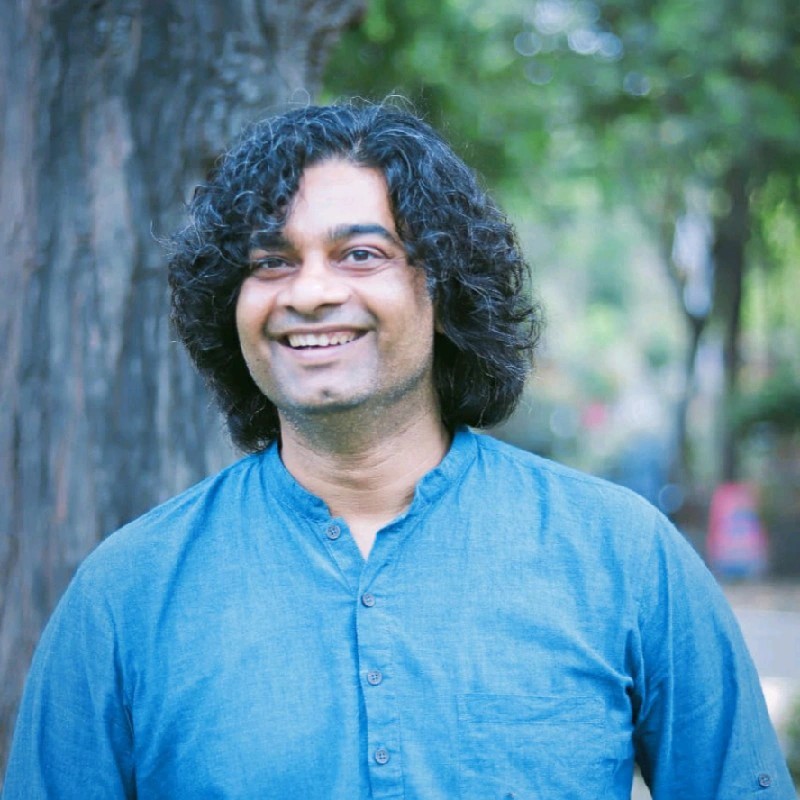
Visiter la page LinkedIn de Dr. Manish Sharma
Visiter la page PhilPaper de Dr. Manish Sharma
Visiter la page ResearchGate du Dr. Manush Sharma
Curriculum vitae du Dr. Manish Sharma

Voir tous nos articles
a